About the Pilbara
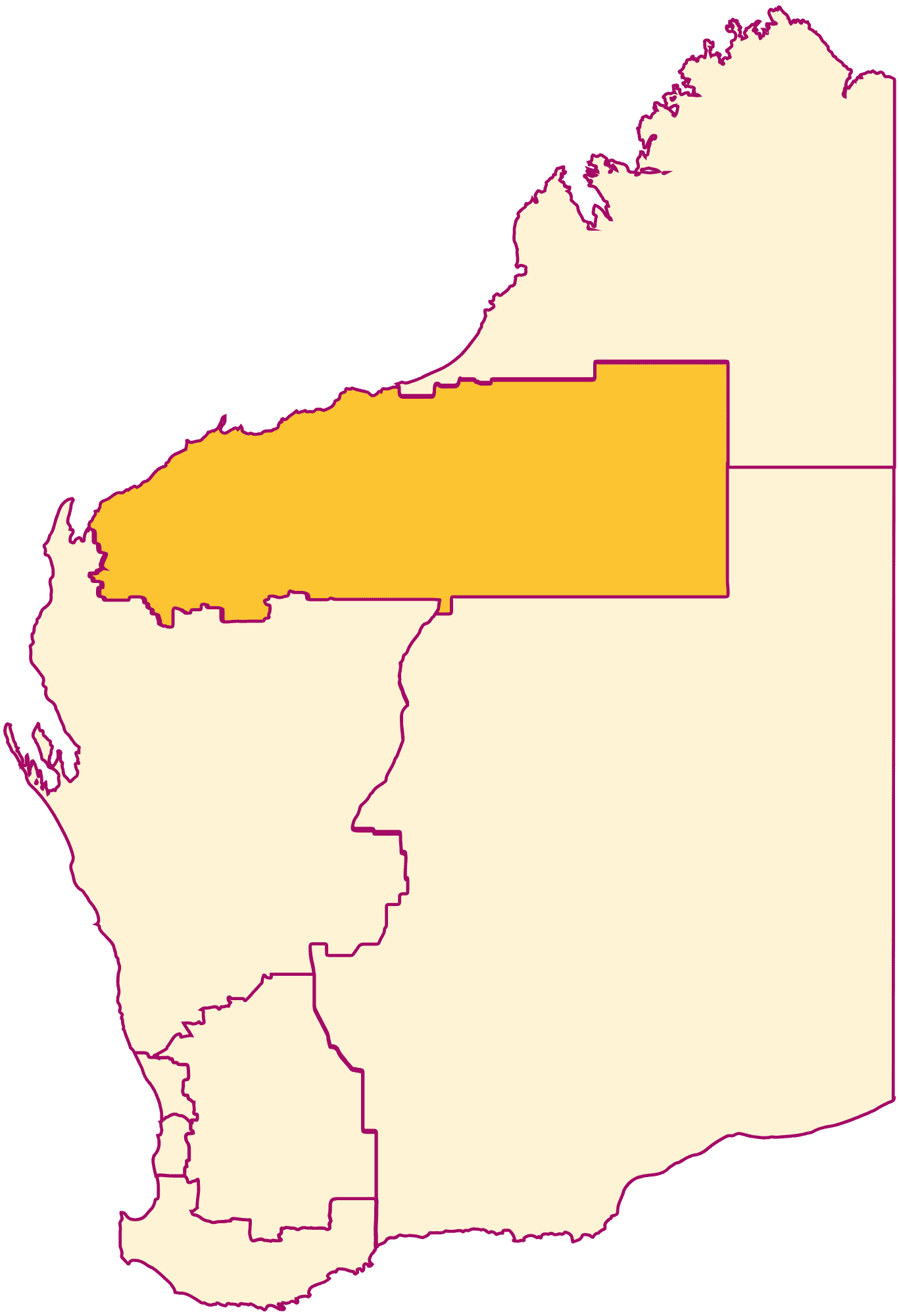
The region is home to 29 public schools that cater to the educational needs of 9,664 students. From inner city locations to remote community schools, each offers a unique learning environment amidst the awe-inspiring backdrop of the Pilbara.
A scenic drive north from Perth transports you into the heart of ancient terrain amidst the world's oldest rocks and the enduring legacy of Aboriginal culture. Here, nature unfolds in all its splendour, revealing coastal archipelagos, majestic peaks, winding gorges, and the untamed beauty of the Australian outback.,
Home to over 63,000 residents, the Pilbara has a vibrant population scattered across an area twice the size of the United Kingdom. While bustling coastal hubs like Karratha and Port Hedland teem with life, the region's diversity shines through with a melting pot of locals and individuals hailing from every corner of the globe, with a third of residents born beyond Australian shores.
Our Languages
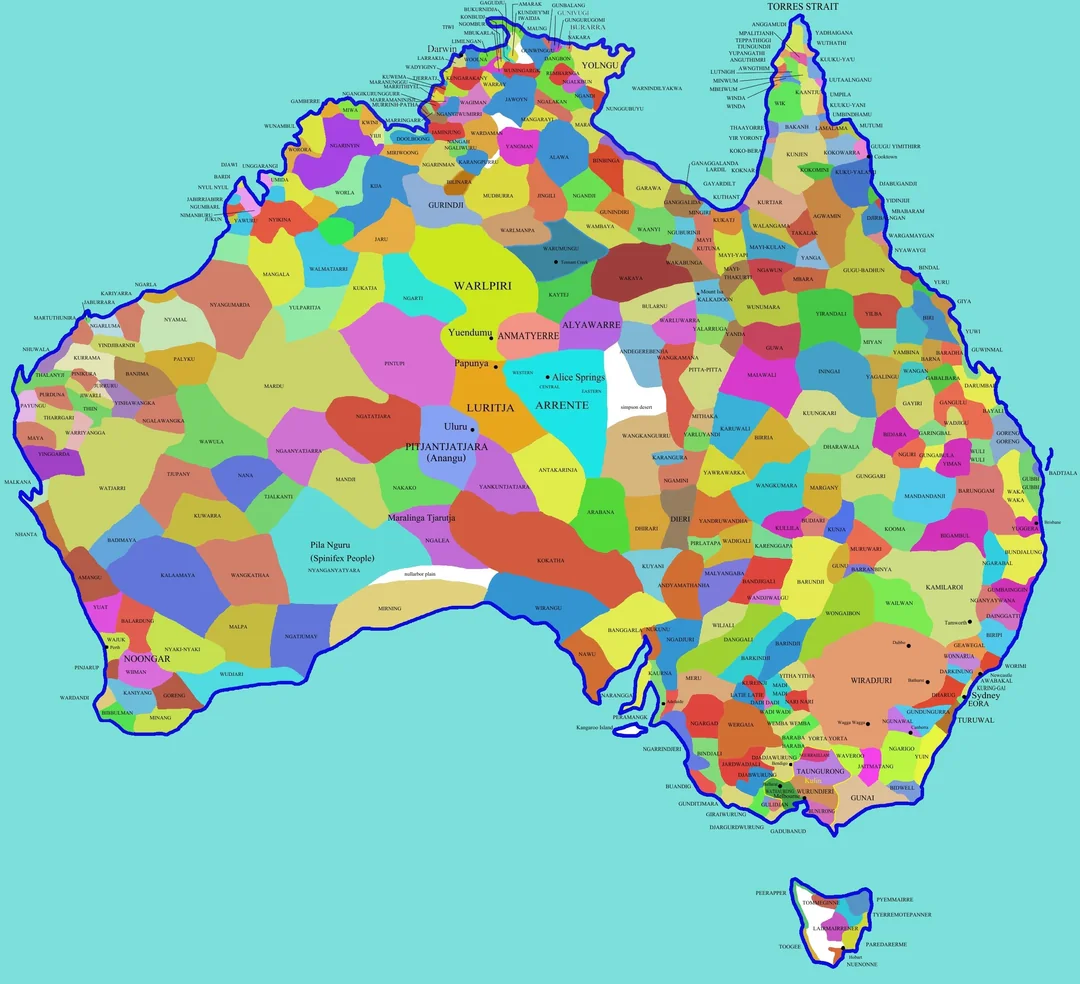
The Pilbara region of Western Australia is home to a rich tapestry of Aboriginal languages, each deeply connected to the land, culture, and history of its people. Before colonisation, the area was linguistically diverse, with dozens of languages spoken across the vast landscapes of red earth, ranges, and coastlines. These languages were not just means of communication—they carried stories, laws, and spiritual knowledge passed down through countless generations.
Some of the prominent language groups in the Pilbara include Ngarluma, Yindjibarndi, Banyjima, Kurrama, and Martu Wangka, among others. Each language reflects the unique worldview of its speakers, often featuring complex kinship systems and vocabulary tied to the environment. For example, Yindjibarndi has a rich lexicon for describing water sources, landforms, and seasonal changes—essential knowledge for surviving and thriving in the Pilbara’s arid climate.